

When you finish your last set of Invisalign clear aligners, your teeth still need holding in place while they settle, and that’s the job of a retainer. The last aligner ends the active phase of treatment, not the whole process. What follows is retention, and it decides whether your new smile stays where it should.
At Ivy Dental in Stockport, we talk about retention from the first consultation rather than saving it for the final appointment, so you know what’s coming and can plan for it.
Why teeth try to move back
Teeth aren’t fixed solidly in the jaw. Each one sits in a socket, held by ligaments and surrounded by gum tissue that has spent years getting used to its old position. When Invisalign clear aligners move a tooth, the bone and soft tissue around it need time to rebuild and settle.
Until that’s happened, teeth naturally tend to drift back towards where they started. It’s normal, it affects everyone whatever type of orthodontic treatment they’ve had, and it’s gradual. That’s what makes it easy to miss until a gap reopens or a lower front tooth starts to twist again.
Retainers hold the teeth steady while everything around them catches up.
Retainers after Invisalign clear aligners at Ivy Dental
The retainer we provide is the Vivera retainer, made by the same company behind Invisalign from a digital scan of your finished result. Because it’s made for your teeth in their final position, it fits closely and it’s clear, which most patients prefer to a visible wire.
Vivera retainers come as a set of three, upper and lower. Having spares matters more than people expect. Retainers get lost, left in hotel rooms and now and then thrown away in a napkin, and a spare means a few days’ gap doesn’t turn into a problem.
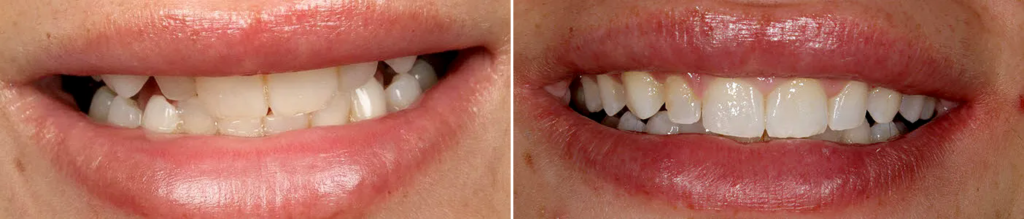
How long will I need to wear a retainer?
There’s no single answer, and anyone who gives you a fixed number without looking at your teeth is guessing. How much movement was needed, how your bite came together and how stable your teeth were to start with all play a part.
What’s consistent is the pattern. Wear is usually more frequent straight after treatment, then drops to a lighter, longer-term routine once things have settled. Your dentist will set out your own schedule and review it with you as you go.
The habit will feel familiar. During treatment, Invisalign clear aligners are worn for 22 hours a day and only taken out for eating, drinking, brushing and flossing. A retainer asks much less of you than that.
Looking after your retainer
A few simple habits protect the retainer and the teeth underneath it.
- Rinse it whenever you take it out, and clean it as we advise rather than scrubbing it with abrasive toothpaste.
- Keep it in its case, never wrapped in tissue.
- Keep it away from heat, including hot water, radiators and car dashboards, as the material can warp.
- Brush and floss before putting it back in, so plaque isn’t held against your teeth.
- Bring it to your check-ups so we can check the fit.
If a retainer suddenly feels tight, that tells us something. It usually means some movement has started. Get in touch early, because a retainer that still fits with a bit of pressure is far easier to deal with than one that no longer goes in at all.
Retention is part of the treatment
The most common regret we hear about orthodontics isn’t about the treatment itself. It’s from people who finished years ago, stopped wearing their retainer and watched the result slowly undo itself. Retention is what turns a finished course into a long-term result, and it works far better when it’s planned from the start.
You can see completed cases in our smile gallery, read our guide on how many hours to wear Invisalign each day, or find out more on our Invisalign in Stockport page.
Talk to our team about Invisalign clear aligners
Rachel and Dr Malc Newsome have run Ivy Dental since 2003. If you’re considering Invisalign clear aligners, or you’ve finished treatment elsewhere and want advice on retention, contact us or call 0161 480 2913 to arrange a consultation.
Frequently asked questions
Do I have to wear a retainer forever?
Most people need some form of long-term retention, but how often you wear it usually reduces over time. Your dentist will tell you what your teeth need.
What happens if I lose my retainer?
Wear a spare if you have one and contact us as soon as you can. The longer you go without one, the more chance your teeth have to move.
Can I eat with my retainer in?
No. Take it out to eat and drink anything other than water, then brush before putting it back in.